
Introduction
When an air conditioner fails to cool a property effectively, many people immediately blame the equipment. In reality, the problem may have started before the system was ever switched on. Proper AC installation plays a major role in determining how efficiently an air conditioner operates, how evenly it distributes cool air, and how much energy it consumes.
Even a high-quality AC unit can deliver disappointing results if it is installed incorrectly. Poor positioning, incorrect refrigerant levels, restricted airflow, undersized ductwork, electrical problems, or an improperly sealed system can all reduce cooling performance. On the other hand, professional installation allows the equipment to operate according to its intended specifications.
Whether you are installing a new system in a home, office, retail space, or larger commercial property, understanding the connection between installation quality and cooling performance can help you make better decisions. Proper AC installation is not simply about mounting an indoor unit and connecting an outdoor condenser. It is a detailed process that affects comfort, efficiency, reliability, and long-term operating costs.
Why Proper AC Installation Matters for Cooling Performance
An air conditioner works by moving heat from inside a building to the outside. For this process to work efficiently, every component must operate under the correct conditions. Installation determines whether those conditions are achieved.
A professional installer considers the size of the property, room layout, heat gain, airflow requirements, electrical supply, refrigerant piping, drainage, and outdoor unit location. When these factors are handled correctly, the AC can remove heat efficiently and maintain the desired indoor temperature.
Poor installation can have the opposite effect. The system may run continuously without reaching the thermostat setting, produce uneven temperatures, or consume more electricity than expected. In some cases, installation mistakes can also place unnecessary stress on the compressor and other critical components.

This is why proper AC installation should be considered part of the system itself rather than a separate service performed after purchasing the equipment.
Correct AC Sizing Improves Cooling Results
One of the most important aspects of proper AC installation is selecting the correct capacity. An air conditioner that is too small may struggle to cool the property, while an oversized unit can create a different set of problems.
The Problems With an Undersized AC
If the cooling capacity is insufficient, the system may need to operate for extended periods to reach the desired temperature. During extremely hot weather, it may run almost continuously while still leaving certain rooms uncomfortable.
This increases energy consumption and places additional strain on the compressor. Over time, excessive operating hours can contribute to premature wear.
The Problems With an Oversized AC
A larger unit is not automatically a better unit. An oversized AC can cool a room very quickly without running long enough to properly remove humidity. This can leave the indoor environment feeling damp despite the temperature appearing acceptable.
Frequent starting and stopping can also increase mechanical stress and reduce efficiency.
A professional installer should evaluate the property’s cooling requirements instead of selecting capacity based solely on room size or assumptions about what worked in another property.
Refrigerant Installation Directly Affects Cooling
Refrigerant is essential to the heat-transfer process inside an air-conditioning system. During proper AC installation, refrigerant lines must be correctly sized, connected, insulated, and checked for leaks.
Why Refrigerant Lines Matter
Long or poorly installed refrigerant lines can affect system performance. Excessive bends, inadequate insulation, poor connections, and incorrect line sizing can interfere with efficient refrigerant circulation.
If a system develops a refrigerant leak because connections were not properly installed, cooling performance can gradually decline. You may notice that the AC takes longer to cool the room or that the system struggles during periods of high outdoor temperature.
Professional technicians therefore inspect connections and test the system before considering the installation complete.
Airflow Is Essential for Effective Cooling
Good cooling is not only about the compressor and refrigerant. Air must also move efficiently through the indoor unit, ducts, filters, and rooms.
Indoor Unit Positioning
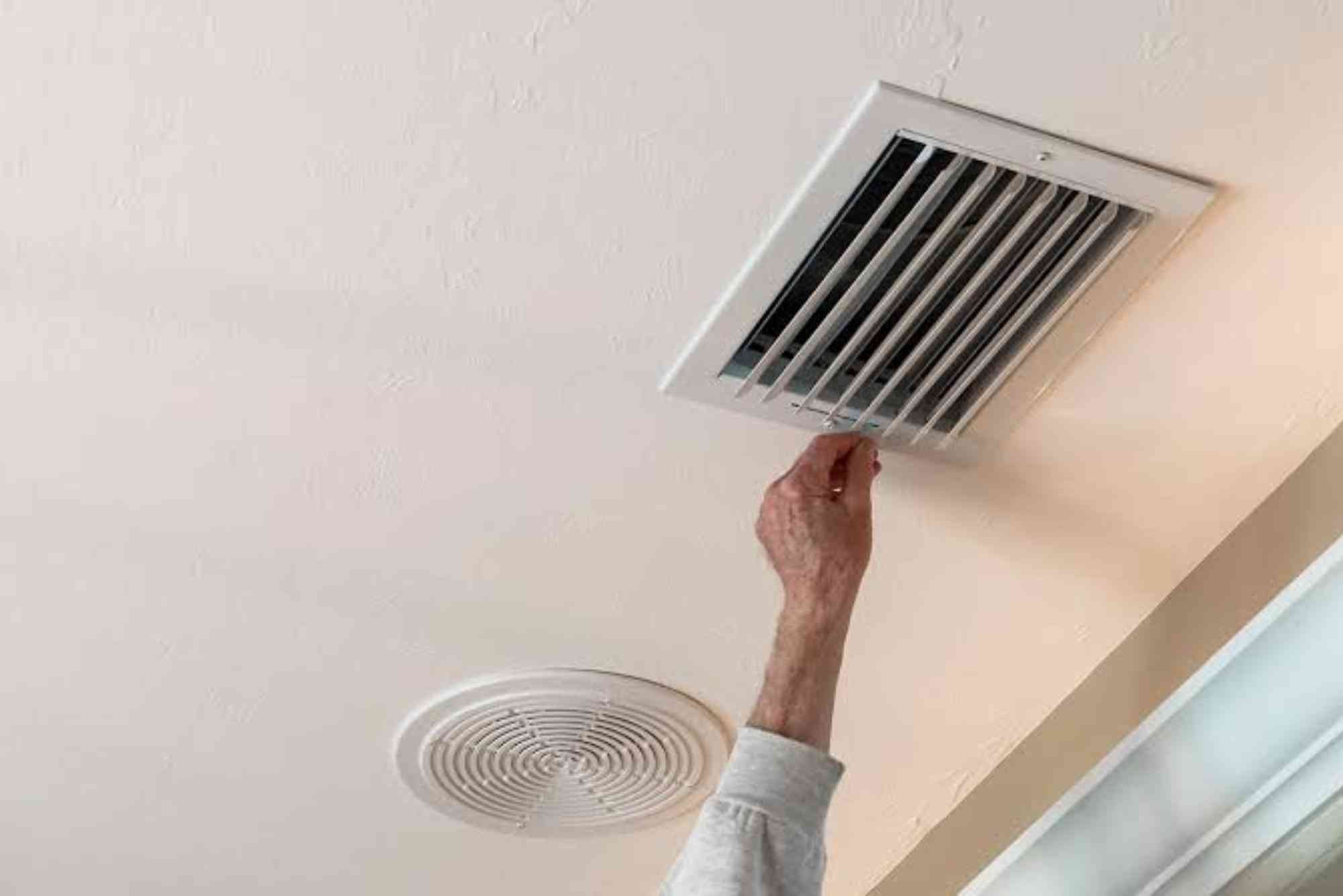
The indoor unit should be positioned where it can distribute conditioned air effectively. Installing it in a poor location may create hot and cold spots throughout the room.
Furniture, walls, curtains, and other obstructions can also interfere with airflow. A professional installer considers the room layout and expected air circulation before determining the best position.
Ductwork and Air Distribution
For ducted systems, installation quality becomes even more important. Poorly designed or badly sealed ducts can allow conditioned air to escape before it reaches the intended rooms.
Leaks, excessive bends, incorrect duct sizes, and inadequate insulation can reduce airflow and increase cooling losses. Proper AC installation ensures that ductwork is designed and connected to support efficient air distribution.
Outdoor Unit Placement Can Affect Efficiency
The outdoor condenser needs adequate airflow to release the heat removed from inside the property. Installing it in a cramped, poorly ventilated location can make this process more difficult.
Allowing Adequate Ventilation
The outdoor unit should have sufficient clearance around its air intake and discharge areas. Blocking these areas can cause the condenser to operate at higher temperatures and reduce overall efficiency.
Professional installation takes surrounding walls, structures, vegetation, and other potential obstructions into account.
Protecting the Condenser
The outdoor unit should also be installed on a stable surface that minimizes unnecessary vibration. Proper positioning can help protect the equipment and make maintenance easier.
A well-planned installation therefore supports both immediate cooling performance and long-term reliability.
Electrical Connections Influence AC Performance
An air conditioner requires a stable and correctly configured electrical supply. Incorrect wiring, unsuitable circuit protection, or loose electrical connections can create operational problems and potentially damage components.
During proper AC installation, technicians should verify that the electrical requirements of the selected system are compatible with the property’s supply. The appropriate circuit, wiring, disconnect arrangements, and protective devices should be installed according to applicable requirements.
Electrical installation may not be visible once the system is operating, but it has a direct relationship with reliability and safe performance.
Drainage Problems Can Affect System Operation
Air conditioners remove moisture from indoor air as they cool. This moisture collects as condensation and must be drained away correctly.
A poorly installed drain pipe can become blocked, improperly sloped, or disconnected. This may result in water leaking around the indoor unit.
Although drainage does not directly create cooling capacity, a drainage problem can interrupt normal operation, damage surrounding surfaces, and create conditions that require professional attention. Correct drainage installation is therefore another important part of a complete AC installation.
Insulation Helps Prevent Cooling Loss
Insulation is particularly important around refrigerant lines and ductwork. Without adequate insulation, temperature differences can cause unwanted heat transfer.
In ducted systems, poorly insulated ducts may lose some of their cooling effect while air travels through areas such as ceilings, walls, or service spaces. This means the AC may need to work harder to provide the same indoor comfort.
Correct insulation helps the cooling energy remain where it is needed, supporting more consistent performance.
Thermostat Placement Matters More Than Many People Realize
The thermostat tells the AC when to start, stop, or adjust operation. Its location can therefore influence how the entire system behaves.
Installing a thermostat near direct sunlight, heat-producing appliances, drafts, or frequently opened doors can cause inaccurate temperature readings. The AC may run longer than necessary or stop before other parts of the room have reached a comfortable temperature.
As part of proper AC installation, the thermostat should be placed in a representative location where it can accurately sense the general indoor conditions.
Professional Commissioning Ensures the System Works Correctly
Installation should not end when the physical connections are complete. The system needs to be checked and commissioned to confirm that it is operating correctly.
A qualified technician can inspect refrigerant pressures, electrical readings, airflow, drainage, thermostat operation, and general system performance. Any unusual noise, vibration, temperature difference, or airflow issue can then be identified before the installation is considered complete.
This final stage is particularly valuable because small installation problems are often easier and less expensive to correct immediately than after months of operation.
For customers comparing equipment and installation options, working with an experienced o general ac distributor can also make it easier to access compatible equipment and professional technical support.
How Poor Installation Can Increase Energy Bills
Energy efficiency depends on how much cooling a system produces compared with the electricity it consumes. Installation problems can reduce this efficiency.
For example, restricted airflow can force the system to work harder. Refrigerant problems can reduce heat-transfer efficiency. Poor duct insulation can allow conditioned air to lose effectiveness before reaching the occupied space.
When these issues occur together, the AC may operate for longer periods to achieve the same temperature. The result can be higher electricity consumption without a corresponding improvement in comfort.
Proper AC installation helps the equipment operate closer to its designed performance, which can contribute to lower operating costs over the life of the system.
Proper Installation Can Extend AC Lifespan
An air conditioner is made up of multiple components that work together under specific operating conditions. Installation mistakes can place unnecessary stress on these components.
A compressor that frequently operates under unfavorable conditions, for example, may experience more wear. Poor airflow can also affect coil performance and system operation.
Professional installation reduces the likelihood of these avoidable problems. Although every AC system eventually requires maintenance and replacement, a correctly installed system has a better foundation for dependable long-term operation.
When selecting equipment, property owners may also want to research specialist suppliers, including a carrier ac distributor, to understand available systems and installation requirements.
Common Signs That Installation May Be Affecting Cooling
Sometimes an installation problem becomes obvious shortly after the system starts operating. If a new AC struggles to cool the property, produces uneven temperatures, leaks water, makes unusual sounds, or runs almost continuously, the installation should be checked.
High electricity consumption shortly after installation can also be a warning sign, particularly when the system is otherwise new and properly maintained.
It is important not to assume that buying a premium air conditioner automatically guarantees excellent performance. Equipment quality and installation quality work together. A well-designed system that is poorly installed can perform worse than an appropriately selected system installed correctly.
Why Professional AC Installation Is a Smart Investment
Trying to reduce upfront costs by choosing inexperienced installation services can create additional expenses later. Correcting refrigerant leaks, electrical faults, drainage issues, duct problems, or poor positioning after installation may cost considerably more than getting the work done properly in the first place.
Professional installers understand manufacturer requirements and can identify issues that may not be obvious to an inexperienced person. They can also help ensure that the selected system is suitable for the property’s cooling demands.
The value of proper AC installation therefore extends beyond the installation day. It can influence comfort, energy consumption, maintenance requirements, reliability, and equipment lifespan for years.Discover useful information, engaging stories, and fresh perspectives with MrSaudis. The platform brings together valuable content covering a range of interesting topics for readers looking to stay informed and explore new ideas
FAQs
Does AC installation affect cooling performance?
Yes. Proper AC installation can have a major impact on cooling performance. Incorrect sizing, poor airflow, refrigerant problems, unsuitable positioning, inadequate insulation, and electrical issues can all reduce an AC system’s effectiveness.
Why is my new AC not cooling properly?
A new AC that is not cooling correctly may have an installation-related problem. Incorrect sizing, restricted airflow, refrigerant issues, thermostat placement, duct leakage, or poor outdoor-unit ventilation can all contribute. A qualified technician should inspect the system rather than assuming the equipment itself is defective.
Can incorrect AC installation increase electricity bills?
Yes. If the system has restricted airflow, refrigerant issues, poor ductwork, or other installation problems, it may need to operate longer to achieve the desired temperature. This can increase energy consumption.
Where should an AC outdoor unit be installed?
The outdoor unit should generally be positioned on a stable surface with sufficient clearance for proper airflow and heat rejection. The exact location depends on the property, equipment requirements, accessibility, and environmental conditions.
How important is AC sizing during installation?
AC sizing is extremely important. An undersized system may struggle to maintain comfort, while an oversized system can cycle too frequently and may not remove humidity effectively. Professional load assessment helps determine the appropriate capacity.
Can poor installation shorten an AC’s lifespan?
Yes. Installation problems can cause components to operate under unnecessary stress. Correct sizing, airflow, refrigerant charging, electrical connections, drainage, and commissioning can provide a stronger foundation for reliable long-term operation.
The performance of an air conditioner depends on much more than the brand or cooling capacity printed on its specification sheet. Proper AC installation determines whether the system can deliver that performance efficiently and consistently.
From choosing the correct capacity and positioning the indoor and outdoor units to managing refrigerant lines, airflow, drainage, insulation, electrical connections, and thermostat placement, every installation detail can influence indoor comfort. A professional commissioning process then confirms that the system is ready to operate as intended.
Related Reading: Why Ftp Hosting Services Matters for Your UAE Business Strategy
Related Reading: الشركة تراهن على منتجها الجديد لتعزيز المبيعات


